The Menē philosophy: pure precious metal in gold, platinum, and silver.
explore
Silver is one of the oldest materials in human ornament. Across nearly every civilization that has known the metal, silver has been shaped into jewelry, currency, ceremonial objects, and heirlooms passed between generations. Where gold was often reserved for rulers and temples, and where platinum emerged only in the modern era, silver has been embedded in daily life for thousands of years. It has been the precious metal of the everyday, worn by ordinary people alongside the elite, moving between courts and marketplaces, shaping traditions across continents.
This article traces the history of silver in jewelry from its earliest recorded use through its role in the great civilizations of antiquity, its central place in medieval and early modern Europe, its cultural significance across Asia and the Middle East, and its return to a position of quiet prominence in fine jewelry today. Understanding this history is part of understanding why pure silver, at 99.9% purity, deserves consideration as one of the three great precious metals of jewelry, alongside pure gold and pure platinum.
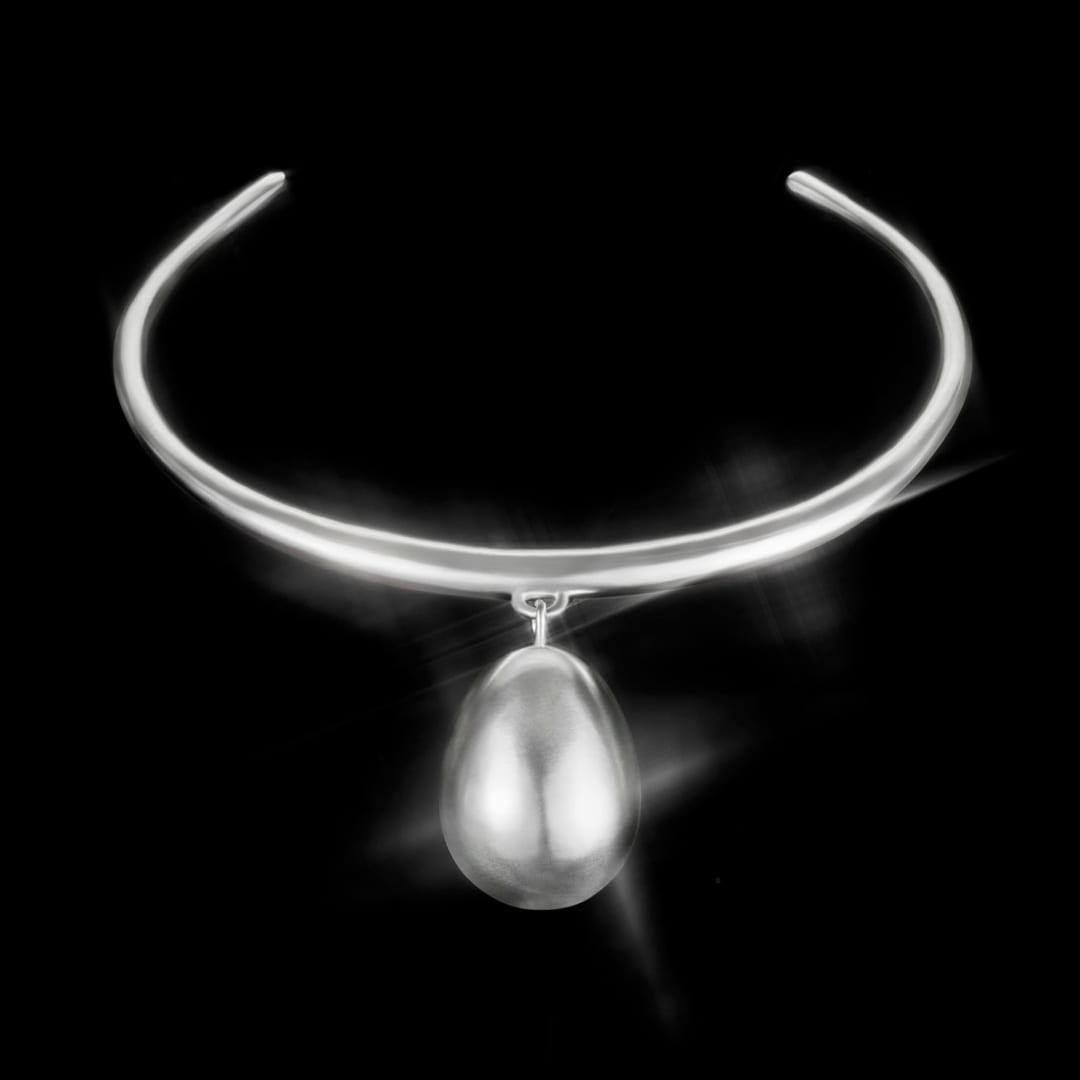
The earliest known silver artifacts date to around 4000 BCE, roughly a thousand years after humans first began working with gold. Silver was more difficult to isolate than gold because it rarely occurs in nature in its pure form, and the techniques required to extract it from ore had to be developed and refined over generations. Once the process of cupellation was established, allowing silver to be separated from lead through controlled heating, silver became widely available across the ancient world.
Mesopotamia was among the earliest centers of silver working. Excavations at the royal tombs of Ur, dating to around 2600 BCE, have recovered silver headdresses, cups, and personal ornaments of remarkable craftsmanship. The Sumerians used silver as currency and as adornment, with the metal often given as gifts, used in trade, and worn as a marker of both status and daily life. The value of silver was formalized in some of the earliest legal codes, with fines, wages, and prices all expressed in weights of silver.
In ancient Egypt, silver was in some periods more valuable than gold, precisely because it was rarer. Egyptian tombs have yielded silver jewelry, ritual objects, and burial goods, though the metal was less abundant in Egypt than gold and was often reserved for particularly significant uses. As trade networks expanded across the Mediterranean, silver from other regions became more available and its role in Egyptian life expanded correspondingly.
The classical civilizations of Greece and Rome adopted silver as a foundational material for both currency and adornment, elevating it to a position of central importance in daily life.
Ancient Greece developed one of the most sophisticated silver mining and refining operations of the ancient world. The mines at Laurion, near Athens, produced the silver that funded much of Athenian power and prosperity in the fifth century BCE, and the coinage struck from Laurion silver became a widespread standard for trade across the Mediterranean. Greek jewelers worked silver into wreaths, brooches, chains, and rings that reflected the artistic sensibility of the period, with techniques such as granulation, filigree, and repoussé developed to extraordinary levels of refinement.
Roman civilization inherited and expanded the Greek tradition of silver working. Silver was used for currency, for elaborate table services in wealthy households, for military decorations, and for personal jewelry across all levels of society. Roman citizens of even modest means often owned silver, which distinguished silver from gold as the precious metal of everyday life rather than of exceptional wealth. Silver rings, brooches, and pins were among the most commonly recovered artifacts from Roman archaeological sites, indicating how widely silver moved through daily life in the ancient world.
The Roman practice of using silver as currency also formalized the metal's role as a store of value. Roman silver coins circulated across an empire that stretched from Britain to the Middle East, and the reliability of Roman silver became a foundation for economic activity across the ancient world.
By the medieval period, silver had become the foundation of global commerce. From the silver mines of Central Europe, to the vast deposits later discovered in the Americas, to the trading routes that carried silver across Asia and Africa, the metal shaped the movement of goods and ideas on a scale that no other material has matched.
The Spanish silver from mines in Peru and Mexico, in particular, transformed global trade beginning in the sixteenth century. Silver flowed from the Americas across the Atlantic to Europe and from there across the Pacific to Asia, funding the expansion of trade networks that connected nearly every corner of the inhabited world. The silver dollar, established as a global trade currency, remained a foundational standard well into the nineteenth century.
This role of silver as global currency shaped its position as jewelry. Because silver was recognized and valued in nearly every market, silver jewelry became one of the most portable forms of wealth. A piece of silver could travel with a family across borders, generations, and circumstances, and its value remained intact through every change in hands. This portability is part of why silver became so consistently woven into the traditions of heirlooms, bridal gifts, and objects passed between generations.
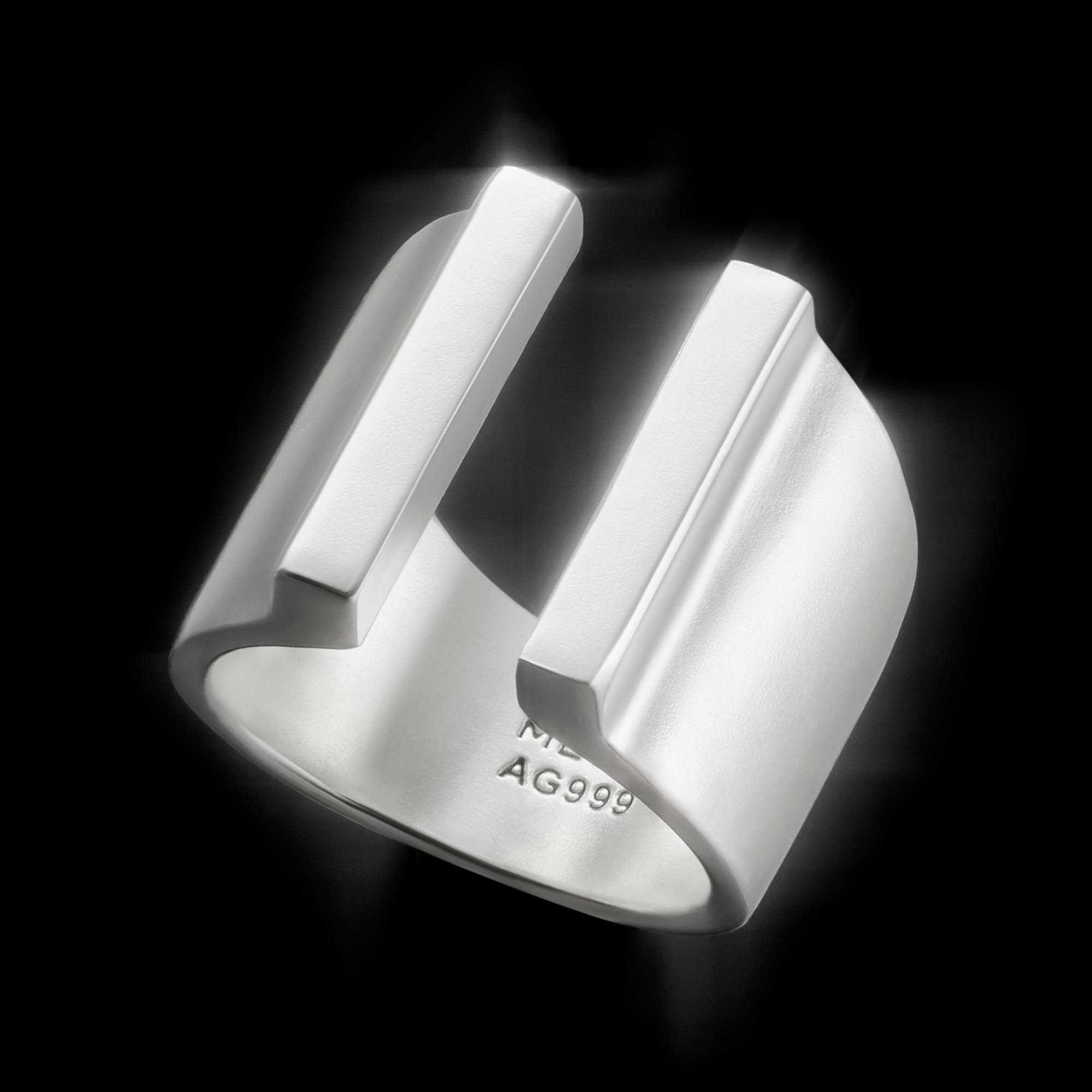
Across Asia, silver has held a distinct and enduring position in jewelry, often reflecting cultural traditions that predate and stand independent of European influence.
In China, silver jewelry has been produced for more than 2,000 years, with sophisticated silversmithing traditions developing across dynasties. Silver was often associated with protection, prosperity, and marriage. In many regions, silver bridal jewelry was a foundational part of wedding customs, with pieces given by families and kept within the family across generations. The Miao people of southern China, in particular, developed a tradition of elaborate silver headdresses, collars, and body ornaments that remains one of the most distinctive silver jewelry traditions in the world.
In India, silver has long been associated with everyday adornment and with life-cycle rituals. Traditional Indian silver jewelry includes anklets, toe rings, and heavy silver necklaces that have been worn across generations of daily life. While gold is often preferred for the highest ceremonial pieces, silver plays a foundational role in the daily jewelry traditions of many Indian communities.
Across Southeast Asia, from Thailand to Indonesia, silver has been shaped by local traditions into distinctive forms. The silver of Yogyakarta in Java, the hill tribe silver of northern Thailand, and the tribal silver of the Philippines all represent independent traditions of silver working that have continued for centuries.
Central Asian and Middle Eastern traditions similarly incorporate silver as a foundational material. Turkoman, Bedouin, and Berber silver jewelry represent distinctive traditions where silver has been used for pieces of extraordinary craftsmanship and cultural significance, often worn as both adornment and as a portable form of family wealth.
In medieval Europe, silver held a central position in both religious and secular life. Silver was used extensively for reliquaries, chalices, and other liturgical objects, with the metal's association with purity making it particularly suited to sacred purposes. Silver jewelry, meanwhile, was worn across all levels of society, from noble courts to peasant households, with the specific forms varying by region and social position.
The medieval sterling standard, formalized in England around the twelfth century, established 92.5% silver as the accepted purity for silver coinage. This standard, which is where the term sterling silver originates, was created for the practical purpose of producing coinage that could withstand circulation. It was not developed as a standard for fine jewelry, though the sterling designation later became widely applied to silver jewelry as the industry standardized around it.
The Renaissance period saw silver jewelry reach new heights of artistic refinement across Europe. Italian, German, and Flemish silversmiths developed techniques of engraving, chasing, and enameling that produced pieces of extraordinary craftsmanship. Silver was used for chains, medallions, brooches, and pendants that reflected the artistic sensibility of the period, often incorporating themes drawn from classical mythology, religious tradition, and heraldry.
By the seventeenth and eighteenth centuries, silver had become one of the most widely worked materials in European jewelry, particularly for pieces intended for daily wear rather than for the highest ceremonial contexts. The pattern that had emerged in Rome, where silver was the metal of everyday life while gold was reserved for exceptional occasions, remained largely intact in European practice.
The nineteenth and twentieth centuries brought significant changes to silver's position in fine jewelry. The rise of industrial jewelry production, combined with the development of platinum working and the growing dominance of alloyed gold, shifted the fine jewelry industry away from pure silver toward more machine-friendly materials. Sterling silver, which had originated as a coinage standard, became the default for silver jewelry, with the fine jewelry industry largely accepting the 92.5% alloy as the accepted form of silver in commerce.
Meanwhile, pure silver continued to be used across many of the traditions where silver had held its role for centuries. In China, India, the Middle East, and much of Southeast Asia, high-purity silver remained the standard for jewelry intended to carry both material and cultural weight. The industrial shift toward sterling was a Western phenomenon more than a global one, and the older traditions of pure or near-pure silver persisted in the regions where silver had been most deeply embedded in daily life.
The Arts and Crafts movement of the late nineteenth and early twentieth centuries revived interest in high-purity silver among Western artisans, with makers such as Georg Jensen in Denmark and figures within the British Arts and Crafts tradition emphasizing handcrafted silver as a return to authentic material practice. This revival planted the seed for a broader reconsideration of pure silver in fine jewelry that has continued to develop over the past century.
Today, pure silver is once again finding its place in fine jewelry. The rise of price transparency, the return to material-focused luxury, and the growing awareness of the distinction between pure and alloyed metals have all contributed to a renewed interest in silver at its highest purity.
Menē's introduction of pure silver, joining pure 24k gold and pure platinum in the collection, reflects a return to the long tradition of pure or near-pure silver in fine jewelry. Every piece in the Menē pure silver capsule is crafted from 99.9% silver, never sterling, with no plating, no alloy, and no surface treatment between the metal and the wearer.
The choice to work in pure silver at Menē is not incidental. It is the same commitment that led the brand to work exclusively in 24k gold and pure platinum from its founding, applied to the material where the fine jewelry industry has departed most consistently from pure metal. Where sterling silver was formalized for the practical needs of coinage centuries ago, pure silver has been the standard for jewelry across most of the civilizations that have shaped the material's history. Menē returns to that older, more widely practiced tradition.
Pure silver at Menē is the metal of the everyday, of connection, and of daily life. It joins pure gold and pure platinum as the third of three chapters in Menē's story of pure precious metal. Where gold carries the character of legacy and platinum reads with the discretion of modern luxury, pure silver carries the sculptural, versatile, everyday character that has defined the metal for more than 5,000 years.
Explore the Menē pure silver collection and discover pieces shaped from 99.9% silver, part of a tradition that spans civilizations.
LinkedIn: mene.com
Instagram: @mene
Facebook: @mene
X: @mene
Reddit: @mene24k
TikTok: @menejewelry
Pinterest: @mene24k