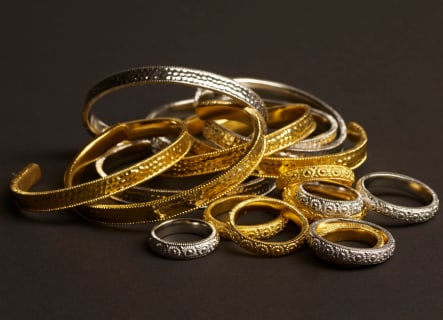
The Menē philosophy: pure precious metal in gold, platinum, and silver.
explore

Jewelry has long been given to mark love, memory, protection, status, and continuity. Across cultures, it has carried meaning beyond adornment, functioning as something both personal and lasting. That is part of why jewelry remains one of the most enduring gifts today: it holds emotion in visible form while also becoming part of what is worn and kept over time.
The history of gifting jewelry reaches back to the earliest civilizations. Jewelry was worn in daily life, used in ritual and ceremony, and placed in tombs as part of burial practice. From Ancient Egypt to the classical Mediterranean and beyond, it was tied to social rank, devotion, protection, remembrance, and the marking of important relationships and life events.
That history also shaped the symbolism jewelry still carries today. Across cultures, it has been used to express attachment, fidelity, gratitude, continuity, and personal significance. Some pieces were given to honor status or family ties, others to serve as protective objects, devotional symbols, or keepsakes meant to preserve memory.
That long history helps explain why jewelry still feels distinct as a gift. It has always carried a sense of intention, marking attachment, commemorating occasions, and giving visible form to both emotional and material significance.
Gold has long been associated with wealth, prosperity, protection, and honor. Across civilizations, it has been given at marriages, births, ceremonies, and major family occasions, where the gift was meant to carry both symbolic and material weight. Its rarity, durability, and recognizability gave it a status unlike other materials, allowing it to function as adornment, currency, and stored value across time.
That history still shapes the meaning of gifting gold now. Gold is often chosen when the gesture is meant to feel significant, lasting, and substantial. It can mark love, family continuity, gratitude, or prosperity, while the value of the material remains inseparable from the gift itself. That is what allows gold to remain one of the most enduring and meaningful gifts across time.
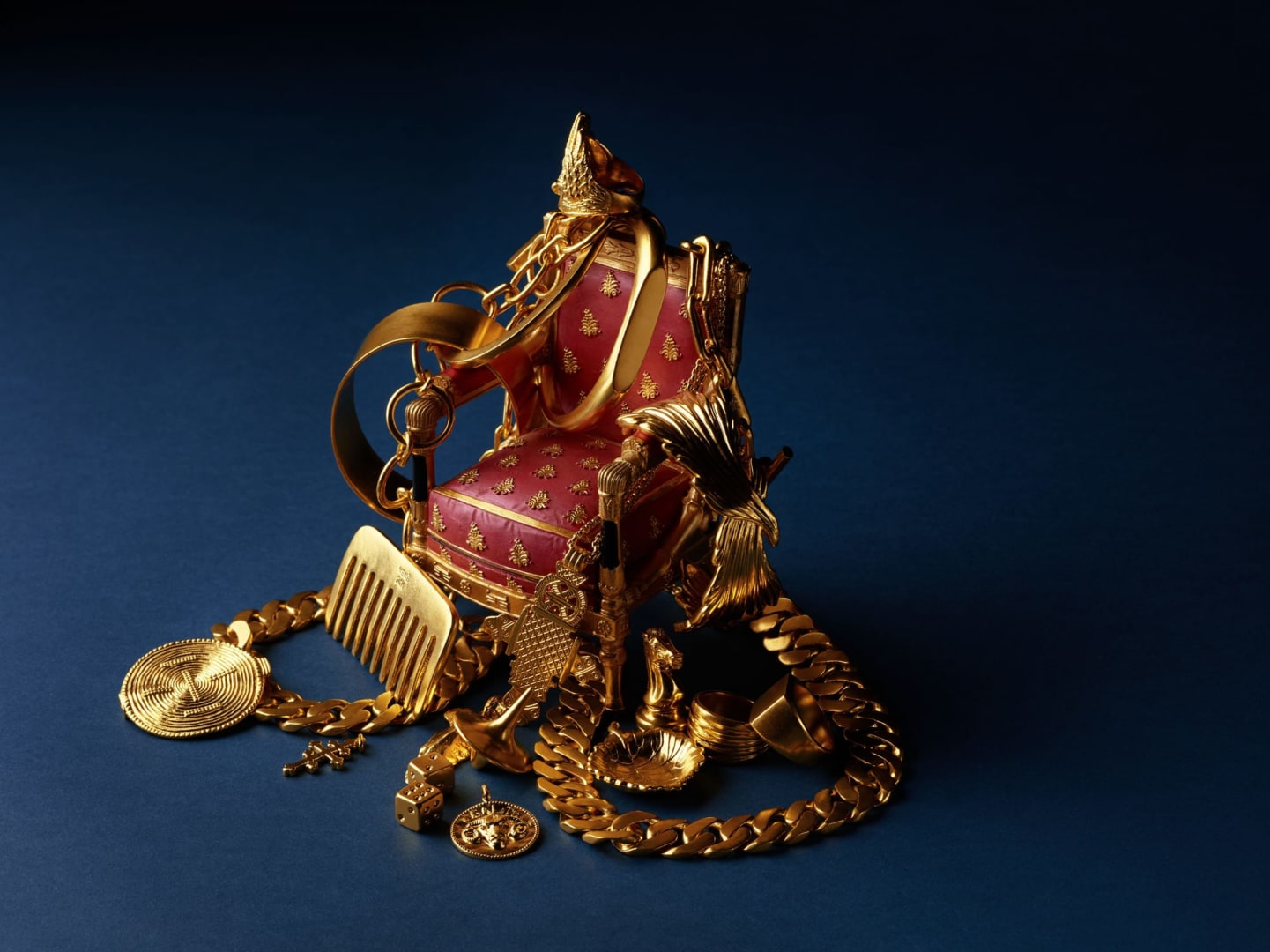
Platinum carries a different but equally compelling symbolism. It is often associated with endurance, rarity, and commitment.
As a gift, pure platinum can feel especially resonant when the intention is to express steadiness, loyalty, and long-term significance. Its density and cool tone give it a distinct presence, while its rarity gives the gift a stronger sense of permanence and value.
Where gold often conveys warmth and prosperity, platinum expresses permanence, clarity, and quiet strength in a more understated register.

In many cultures, the significance of a jewelry gift has long been tied to the purity of the metal itself. This is especially true in South and Southeast Asian traditions, where 24k gold is closely associated with prosperity, family continuity, and major life occasions such as weddings.
In those contexts, gold is given with the expectation that it will hold value, remain within the family, and move across generations. That connection between sentiment and material worth is part of what gives pure metal its lasting place in gifting.
Platinum carries a different symbolism, but purity gives it a similar weight. Where gold is often associated with prosperity and continuity, platinum is more closely tied to rarity, endurance, and commitment.
This informs Menē’s approach to gifting. In 24k gold and pure platinum, a gift can carry personal meaning through the piece itself, whether that comes from a symbol chosen for what it represents, an engravable design made more specific to the person receiving it, or a form intended to be kept and passed down. Timeless design, lasting material, and personal significance come together to create gifts that feel both intimate in the present and enduring over time.
Mother’s Day calls for a gift that reflects both feeling and permanence. At Menē, that comes through in 24k gold jewelry and pure platinum jewelry, where the significance of the gift is carried through design and through the metal itself.
That makes the choice of piece especially important. A pendant can hold a symbol close to the heart. An engravable bracelet or necklace can hold names, initials, or dates, giving the piece a more personal significance. A ring can carry both sculptural presence and intimacy. Earrings can bring meaning into forms that are easy to wear and return to each day. Across all of them, symbolism, personalization, and material value come together in a way that feels especially fitting for Mother’s Day.
For Mother’s Day, that allows the gift to hold significance beyond the occasion itself. Shop the Menē Mother’s Day Collection and discover gifts in 24k gold and pure platinum shaped to hold meaning now and over time.

Gifting jewelry dates back to the earliest civilizations, where it was worn in daily life, used in ritual and ceremony, and given or preserved as a marker of status, devotion, remembrance, and continuity.
Gifting jewelry can symbolize love, gratitude, protection, fidelity, family connection, or remembrance. The meaning often depends on the form of the piece, the occasion, and the relationship between giver and recipient.
To gift gold is to give something that carries both symbolic and material significance. Across cultures, gold has long been associated with prosperity, honor, continuity, and lasting value.
Gold has a long history as a meaningful gift because it can mark an important occasion while still holding value in the material itself. That combination is part of what makes it such an enduring choice.
A meaningful Mother’s Day gift often combines symbolism, wearability, and lasting material significance. Pendants, engravable bracelets or necklaces, rings, and earrings can each express care and continuity in different ways.